
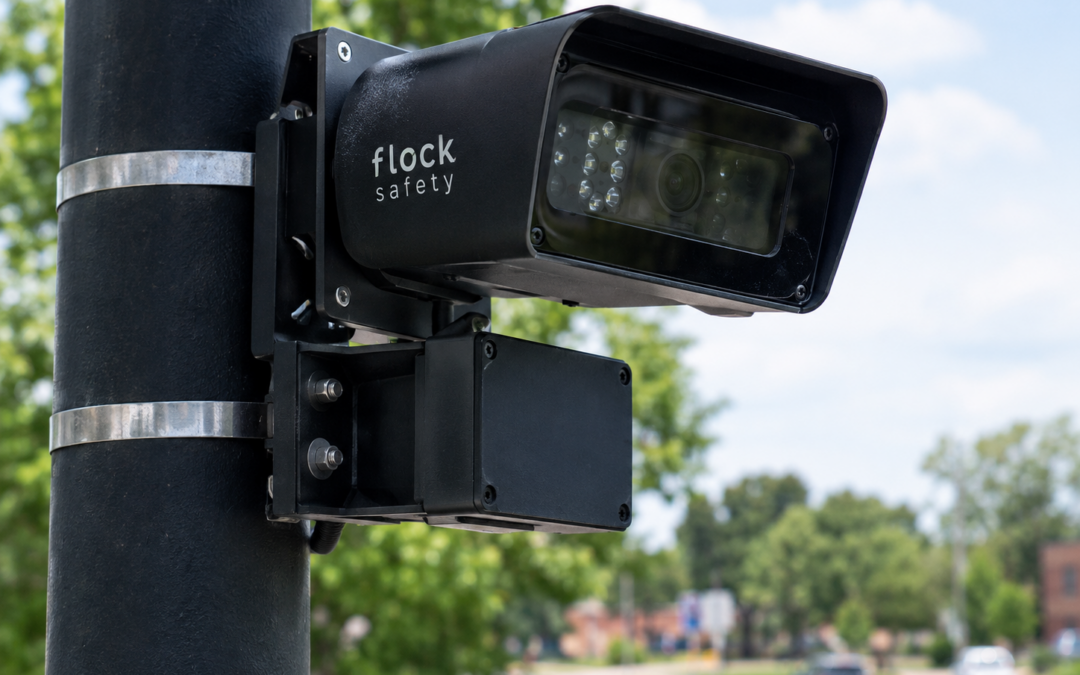
In a recent article in The Nubian Message, “Flock Cameras in Raleigh: The Ever-Growing Rise of the Surveillance Society in North Carolina’s Capital,” Emancipate NC Executive Director Dawn Blagrove spoke out about the growing use of surveillance technology and its potential impact on civil rights and communities of color.
Blagrove warned that technologies such as Flock cameras can deepen existing patterns of over-policing.
“These types of cameras, this type of technology is always going to disproportionately impact Black and Brown people,” Blagrove said. “Because Black and Brown people are over-surveilled and are overpoliced.”
She also emphasized that the concern is not simply the technology itself, but the lack of accountability surrounding how law enforcement can use the information it collects. Blagrove pointed to documented instances nationally in which surveillance information has been misused, and cautioned that expanded tracking without clear justification can threaten constitutional rights.
Blagrove also questioned the decision to invest significant public resources in increasingly sophisticated surveillance technology when communities continue to face urgent needs for housing, education, employment, and access to health care.
At the heart of her concerns is a principle she frequently emphasizes in her work with Emancipate NC: “Our job is to make it harder to do the wrong thing than it is to do the right thing.”
For Blagrove, that means meaningful accountability for law enforcement—including greater transparency about law enforcement activities and stronger professional standards.
“We are surveilling law enforcement and making their movements and activities as accessible to the public as the public’s movements are accessible to law enforcement,” she said.
As surveillance technology continues to expand across North Carolina, Emancipate NC remains committed to protecting constitutional rights, challenging systems that disproportionately impact communities of color, and advocating for accountability and transparency in our criminal legal system.