
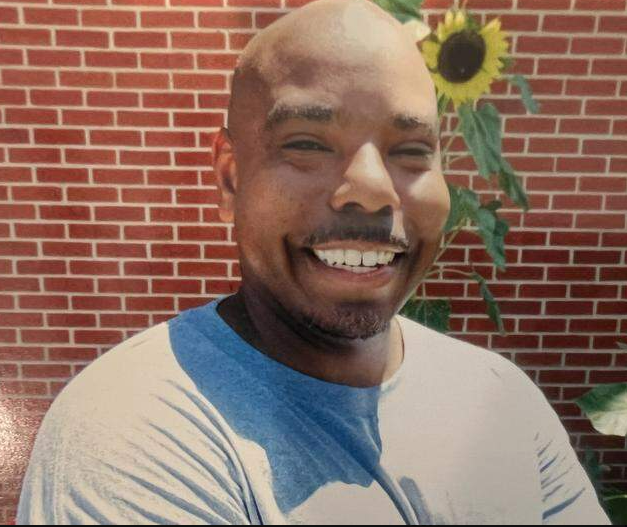
Phillip Vance Smith II recently shared new work published in Narratively “In Prison, I Finally Shared the Story That Had Haunted Me for Years”. Phill writes:
“This is the first time that my creative nonfiction has been published by such a prestigious publisher. I’m really excited about this one.
“This piece is a shortened version of one you may have read entitled ‘Oreo.’ While crafting this piece for Narratively, I was reading Ernest Hemingway On Writing, edited by Larry W. Phillips. In a passage from that collection of quotes, something Hemingway wrote about Fyodor Dostoevsky resonated with me.
“Hemingway wrote: ‘Dostoevsky was made by being sent to Siberia. Writers are forged in injustice as a sword is forged.’
“You see, before Dostoevsky became famous, he was a political activist using his writing to fight against the oppressive Russian government. He was arrested and sentenced to death. Sweating and trembling with a hood over his head in front of a firing squad, Dostoevsky savored what he thought would be his last breath. But seconds later, the government spared him by commuting his sentence to a prison term. He began writing with a renewed purpose and purity, using his voice and stories to compel change without being overly combative. The threat of dying in prison made his life so much sweeter.
“For me, serving life in prison is relative to being in front of a firing squad. It is death’s ground. I have seen my friends die from old age, disease, and suîcide. I have been surrounded by death for too long. Writers like Dostoevsky taught me how to live by telling impactful stories that make a difference, even if they are a bit disturbing.
“I am comforted by the fact that I live. I learn. I love. And I have an opportunity to reach the outside world.”
Read the full story: “In Prison, I Finally Shared the Story That Had Haunted Me for Years”→
Phill is also quoted in Inquest’s article, “Under the Warden’s Eye,” an exploration of the long history of prison journalism and the struggle for free expression behind bars. The article traces how prison newspapers have served both as tools of institutional control and as powerful platforms for incarcerated people to challenge official narratives, expose abuses, and connect with the outside world. Smith’s words capture the central tension at the heart of this history: journalism’s fundamental responsibility is to “inform, challenge, and hold society accountable,” yet those incarcerated journalists who attempt to fulfill that mission often face censorship, surveillance, and retaliation from the very institutions they seek to scrutinize. His insight underscores why independent prison journalism matters—not only for people behind bars, but for everyone who believes accountability and the pursuit of justice require the freedom to tell the truth