
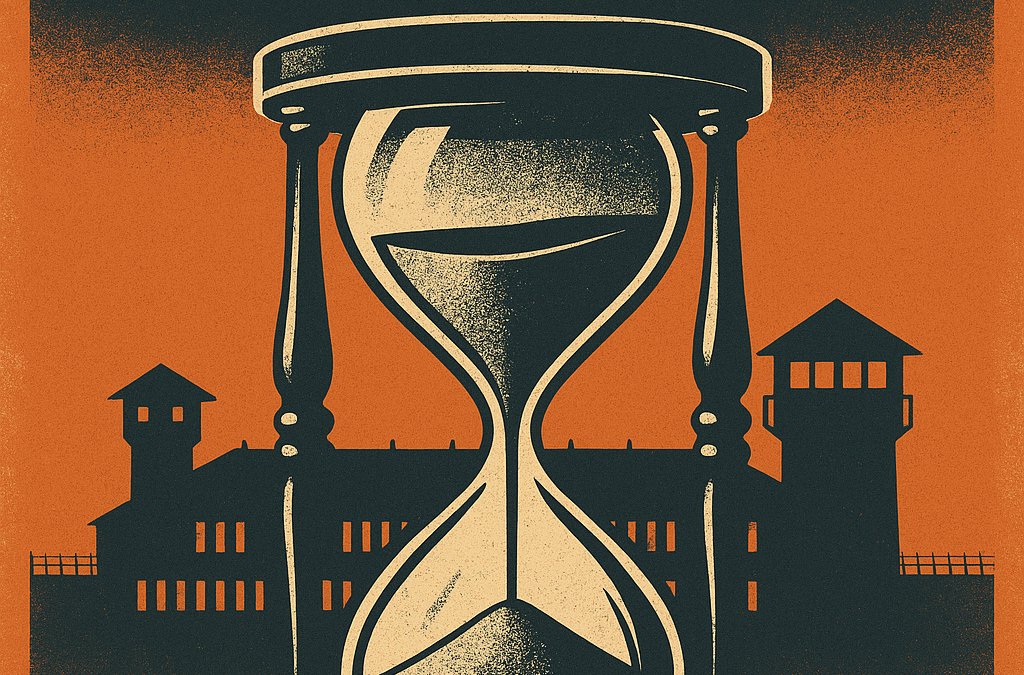
A new North Carolina law imposing a strict seven-year limit on post-conviction appeals is drawing sharp criticism from justice advocates across the state, including Emancipate NC’s Executive Director, Dawn Blagrove, who warns the law could leave innocent people with no meaningful path to prove their innocence.
In an interview for the recent article “NC post-conviction appeal limit could keep innocent people in prison” by Eric Tegethoff, Blagrove underscored the real-world impact of the law on people currently incarcerated. She explained that the timeline lawmakers have imposed is simply not grounded in reality.
“You would be very hard-pressed to find any cases in which that process that ultimately results in exonerations happen in less than seven years,” Blagrove said. “It is just not the type of process that lends itself to expediency.”
A Motion for Appropriate Relief (MAR) is one of the few legal avenues available to people in prison when new evidence emerges—such as proof of innocence, misconduct, or constitutional violations. For decades, North Carolina placed no time limit on these motions. Supporters of the new law claim the deadline will curb meritless filings and protect victims, but Blagrove cautions that the reality is far more complex.
She emphasized that numerous legitimate reasons exist for a person to seek post-conviction relief—and that those reasons are often rooted in the state’s documented history of inequitable policing, prosecution, and sentencing.
“It is a well-established fact [that] systemic and institutional racism are built into North Carolina’s criminal justice system,” she noted. “What this law does is essentially [say] that once you are in the system, we are making it even harder for you to extricate yourself from that system. Even in the event that you have done nothing wrong. That is deeply problematic.”
Blagrove also stressed that if lawmakers are determined to impose a seven-year deadline, they must also ensure people have the legal resources necessary to meet it.
“So that people can have access to the most robust defense on the front end,” she said. “Also so that there is unlimited resources available for them to prove their innocence if they have to do it within a seven-year period.”
As advocacy groups, legal experts, and impacted families continue raising concerns, Emancipate NC remains committed to fighting for policies that support fairness, accountability, and real opportunities for people to seek justice—no matter how many years have passed.