
By Jaelyn Miller, Emancipate NC Attorney and Community Organizer
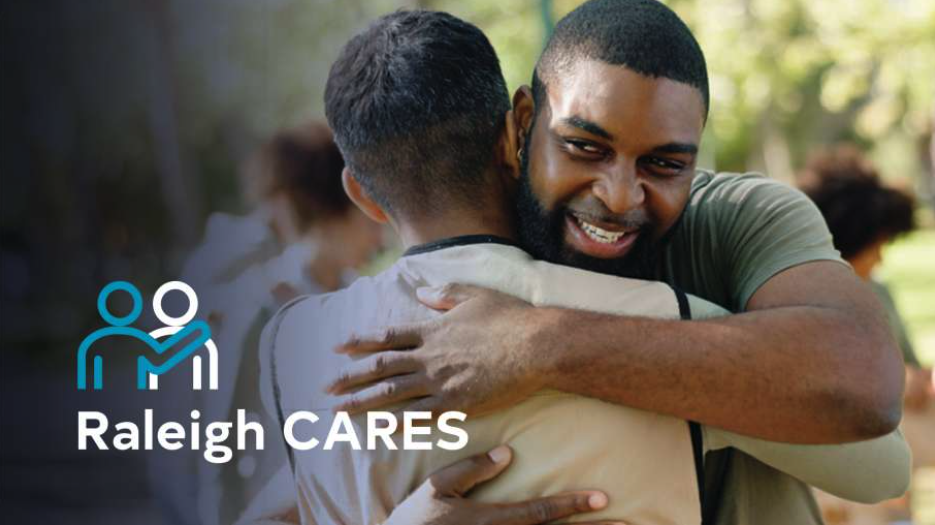
After years of advocacy by Emancipate NC, the City of Raleigh has finally begun implementing its alternative response program, Raleigh CARES.
In 2023, Emancipate NC helped convene a coalition of local organizations committed to pushing Raleigh to adopt an approach similar to Durham’s HEART program. Emancipate NC’s advocacy was informed by our on-the-ground work supporting families impacted by police violence, including Soheil Mojarra, Keith Collins, and Reuel Nunez. In 2024, following months of strong community engagement and public support, the Raleigh City Council funded a Crisis Call Diversion pilot. Now, that program is up and running.
Instead of defaulting to police or EMS, some 911 callers are now diverted to licensed mental health clinicians embedded within Raleigh’s emergency communications center. Three Alliance Health counselors — Meg Hill, James Pearce, and Ashley Wilson — work inside the 911 call center. They are trained to de-escalate crises over the phone and connect people with longer-term supports and resources.
The pilot currently accepts transferred calls Monday through Friday, 9 a.m. to 5 p.m., with plans to expand in the future.
Three Examples of the Program’s Success: The counselors interviewed shared several real-world examples of how the diversion line has helped callers:
Teenager in Crisis – A young teenage man called 911 feeling suicidal. A counselor spent about 15 minutes speaking with him, helping to calm the situation and connect him with supportive contacts. The caller did not want police involvement, and through the diversion line, he received help while avoiding escalatory police interactions.
Redirected to Appropriate Care – One caller became distressed after going to the wrong location while trying to follow guidance from a provider. A counselor assessed the situation, determined it was safe for him to drive, and offered options for appropriate care, including the Wake Recovery Response Center. The counselor followed up around the time he was expected to arrive and confirmed he was in the process of checking himself in.
Family Support for Hallucinations- A family called because an adult relative was experiencing hallucinations but posed no immediate danger. Counselors helped arrange a visit from a mobile crisis team — a low-risk, supportive alternative to a police response — with a responder arriving in plain clothes to help.
Before this program existed, people in situations like these often had only two possible outcomes from a 911 call: the hospital or jail. These early examples show how crisis call diversion can de-escalate emergencies, respect caller preferences, and connect community members with appropriate mental health care without introducing the risk of a harmful or even deadly police encounter.
There is still work to be done! Sign up for our coalition newsletter at whatifraleighhadaheart.org to get updates and help us push Raleigh to expand the use of mobile crisis teams!